

7 Benefits of Professional Remote Housekeeping for Camp Operations
Maintaining a productive workforce in isolated accommodations requires more than comfortable lodging and quality amenities. In the middle of daily

There’s a growing need for adopting sustainable transportation solutions in remote camp operations through innovative strategies to help reduce CO2 emissions from fuel combustion. Rapid advances in technology innovation in the mining, construction and oil and gas sectors make it possible to provide an efficient transportation network that is safe, and accessible for all, while significantly reducing the environmental footprint.
The necessity of transportation in remote operations underscores the need for responsible mobility solutions. Minimizing the environmental impact of transportation is crucial not only for ecological well-being but also for the long-term sustainability of remote communities. An effective approach involves reimagining mobility options that are efficient, eco-friendly, and aligned with our commitment to reducing carbon emissions.
Transitioning to alternative fuels is a key component of our sustainable transportation strategy. By reducing reliance on fossil fuels and embracing cleaner alternatives such as biofuels, natural gas, and electric vehicles, we take strides towards curbing emissions. This transition not only reduces the carbon footprint but also encourages the development of a more sustainable energy ecosystem in remote areas.
Efficiency lies at the heart of sustainable transportation. A key approach employs advanced route optimization technologies to minimize travel distances and reduce fuel consumption. Strategically planning transportation routes, not only saves time and resources but also contributes to lower greenhouse gas emissions. Every efficient journey is a step towards a greener future.
Sustainable transportation extends beyond the vehicles themselves. It involves investing in the infrastructure that supports eco-friendly mobility. From charging stations for electric vehicles to maintenance facilities for alternative fuel vehicles, we are committed to creating an ecosystem that fosters sustainability in every aspect of transportation.
Sustainable transportation isn’t just about reducing carbon emissions; it’s also about engaging with local communities. Collaborating with Indigenous communities and local stakeholders to design transportation solutions that are culturally sensitive, economically viable, and environmentally responsible is key to success. By involving communities in decision-making processes, we create transportation solutions that benefit everyone.
The road to sustainable transportation in remote operations is a path of innovation, responsibility, and collaboration. A commitment to reducing the carbon footprint through sustainable transportation solutions exemplifies a passionate dedication to both ecological stewardship and community well-being. Embracing alternative fuels, optimizing routes, investing in green infrastructure, and engaging with local communities, can pave the way for a future where transportation is not just a means of connecting remote areas but also a vehicle for environmental conservation and progress.
Maintaining a productive workforce in isolated accommodations requires more than comfortable lodging and quality amenities. In the middle of daily
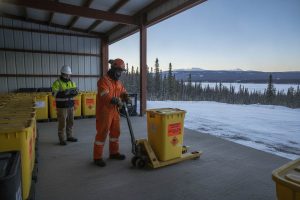
Remote operations in Canada take place in challenging environments where multiple systems must work together smoothly — including accommodation, logistics,
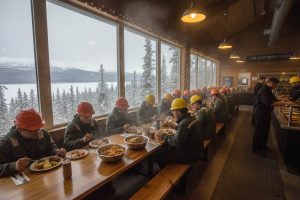
Industrial operations in Canada—whether in oil sands, mining regions, forestry zones, or large-scale construction corridors—depend on one critical but often
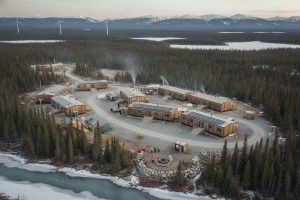
When organizations evaluate large-scale industrial work in places like Northern Alberta, British Columbia, or Newfoundland and Labrador, a remote site

Across Canada’s resource-driven economy, workforce accommodations play a critical role in keeping major projects running smoothly. In sectors such as
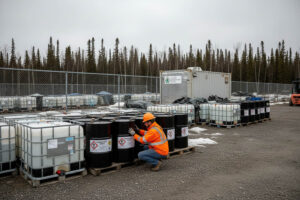
Remote operations in Canada involve multiple integrated systems working together — including accommodation, logistics, safety, and environmental controls. In sectors
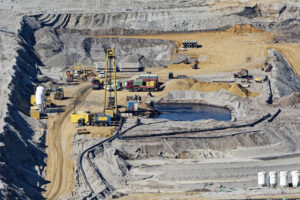
Mining in Canada isn’t just about extracting resources — it’s about sustaining teams through remote camp services in Canadian mining
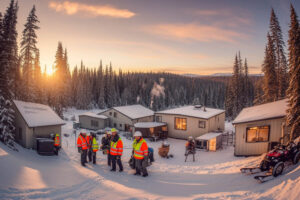
When comparing modular camps vs remote camps, many companies in Canada assume the terms mean the same thing. While the

In places like Fort McMurray’s oil sands or Kitimat’s LNG projects, remote catering companies play a vital role in supporting
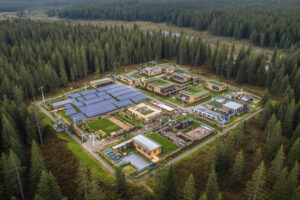
As industrial activity expands into environmentally sensitive regions, sustainable remote camp services Canada are becoming essential to balancing operational efficiency
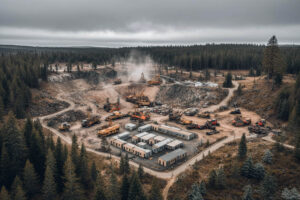
Across vast and isolated regions, remote camp services in Canada play a crucial role in enabling industries to operate efficiently
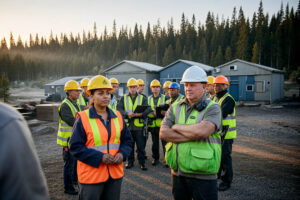
Effective remote site management is crucial for organizations operating in Canada’s isolated work environments, such as oil sands sites in

Remote site food catering services play a crucial role in sustaining Canada’s diverse industries, from mining and oil to forestry
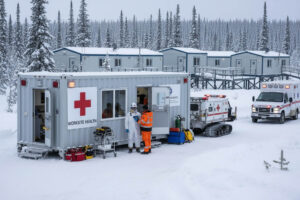
Remote site medical support plays a critical role in safeguarding the health and safety of employees working in Canada’s most
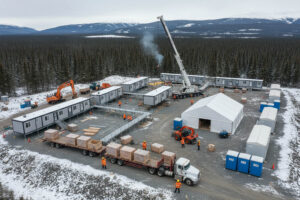
Mobilizing operations in challenging environments requires precision, planning, and expertise. That’s why remote camp mobilization is at the heart of